Tesla generation guide

Tesla Model Y product changes by year

Model Y started as the taller, utility-focused companion to Model 3, then became Tesla's highest-volume vehicle. The biggest break is the 2025+ New Model Y redesign.

  • 2020-2024 cars are the first Model Y body generation.
  • Early updates added the newer console, quieter glass, third-row availability, and factory-specific battery details.
  • 2025+ New Model Y is the major redesign, with new lightbars, quieter cabin work, revised chassis tuning, and rear display availability.
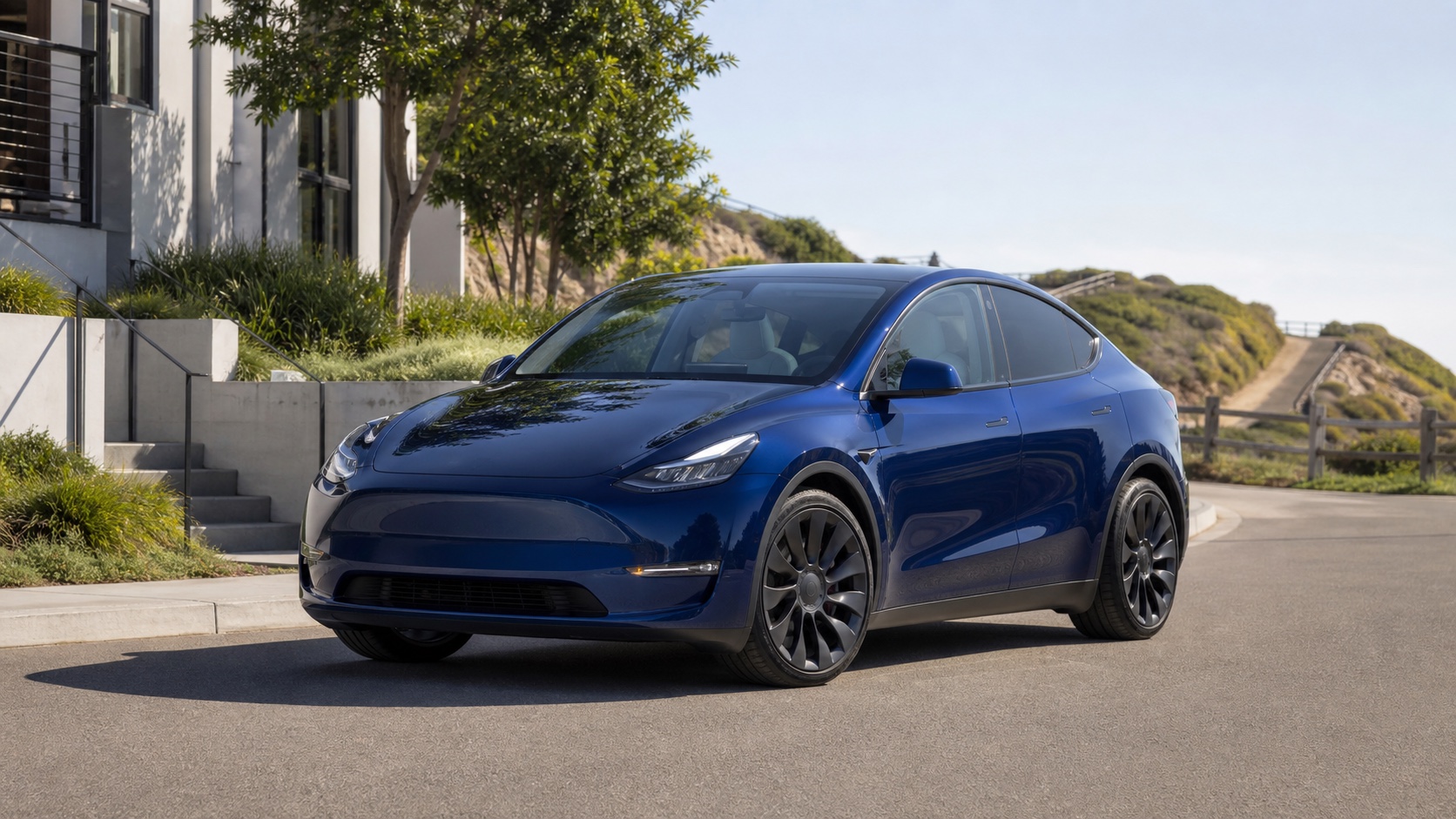
Electric crossover on a bright road for the Tesla Model Y guide

Tesla Model Y product changes over the years

Use these production eras as the simple first pass before comparing individual vehicles.

2020
1

Launch generation

Model Y deliveries began in March 2020, sharing the Model 3 platform but adding crossover cargo space, a hatch, and a taller body.

  • Long Range AWD and Performance formed the early U.S. core lineup.
  • Model Y launched with a heat pump before that feature moved into refreshed Model 3 cars.
  • Black exterior trim was part of the Model Y look from the start.
  • The first cabin used the original Model 3-style center console layout.
2021
2

Console, glass, and seating updates

The first meaningful Model Y changes were mostly packaging and comfort improvements rather than a full redesign.

  • The updated center console arrived, matching the 2021 Model 3 direction.
  • Dual-pane front window glass improved cabin quietness.
  • Seven-seat configuration became available on some Long Range versions.
  • The short-lived Standard Range rear-wheel-drive version appeared and then left the main lineup.
2022-2023
3

Factory and battery detail era

Model Y production expanded beyond Fremont, making factory, battery, and trim context more important than the badge alone.

  • Austin-built Model Y production joined Fremont output for North America.
  • Some Texas-built cars used structural battery pack and 4680-cell packaging in specific configurations.
  • Infotainment and driver-assistance hardware continued to change by build timing.
  • Tesla removed ultrasonic parking sensors from Model Y production and shifted parking features toward camera-based software.
2024
4

Late first-generation packaging

The 2024 cars are still first-generation Model Y builds, but they sit at the end of the pre-redesign product run.

  • Long Range rear-wheel-drive availability changed the comparison set for range-focused shoppers.
  • Wheel, seating, battery warranty, and drivetrain details remained more important than a single trim label.
  • The exterior and interior still match the pre-2025 Model Y generation.
2025+
5

New Model Y redesign

Tesla launched the redesigned New Model Y in 2025, with North American deliveries beginning in March.

  • New front and rear lightbar design, revised fascias, new wheels, and improved aerodynamics.
  • Tesla says cabin quietness improved through acoustic glass, body changes, and sound treatment.
  • New chassis hardware, redesigned suspension geometry, improved ride tuning, and unchanged underlying battery technology.
  • Interior changes include ambient lighting, revised console details, ventilated front seats, improved second-row comfort, and an 8-inch rear touchscreen on the new cabin.
2026
6

Current Model Y equipment bands

Current Model Y specs separate standard and Premium equipment bands alongside Performance.

  • Tesla's current U.S. page lists Model Y RWD/AWD, Model Y Premium RWD/AWD, and Model Y Performance specs.
  • Premium versions list the 16-inch center touchscreen plus 8-inch rear touchscreen; standard versions list the 15.4-inch center touchscreen.
  • Current published specs split battery warranties, charging rates, wheels, range, and seating availability by equipment band.

Next step

Move from Tesla Model Y history to the exact VIN.

The timeline explains the product era. The decoder connects a specific vehicle to trim, drivetrain, battery, charging, hardware, wheel, paint, and option details.

Cookie preferences

We use first and third-party cookies and similar technologies to collect website usage data and improve, protect, and promote our products and services. You can choose to accept all cookies or accept only necessary cookies.