Tesla generation guide

Tesla Model X product changes by year

Model X shares many hardware eras with Model S, but seating, doors, towing, and interior configuration make its timeline feel different. Use the timeline first, then decode the specific vehicle.

  • 2015-2016 launch cars are early falcon-wing Model X builds with MCU1 and first-era Autopilot hardware timing.
  • 2017 seating updates changed how five-, six-, and seven-seat cars compare.
  • The major shared hardware breaks are Autopilot hardware 2, MCU2, Raven, the 2021 interior/Plaid refresh, and the 2025 late update.
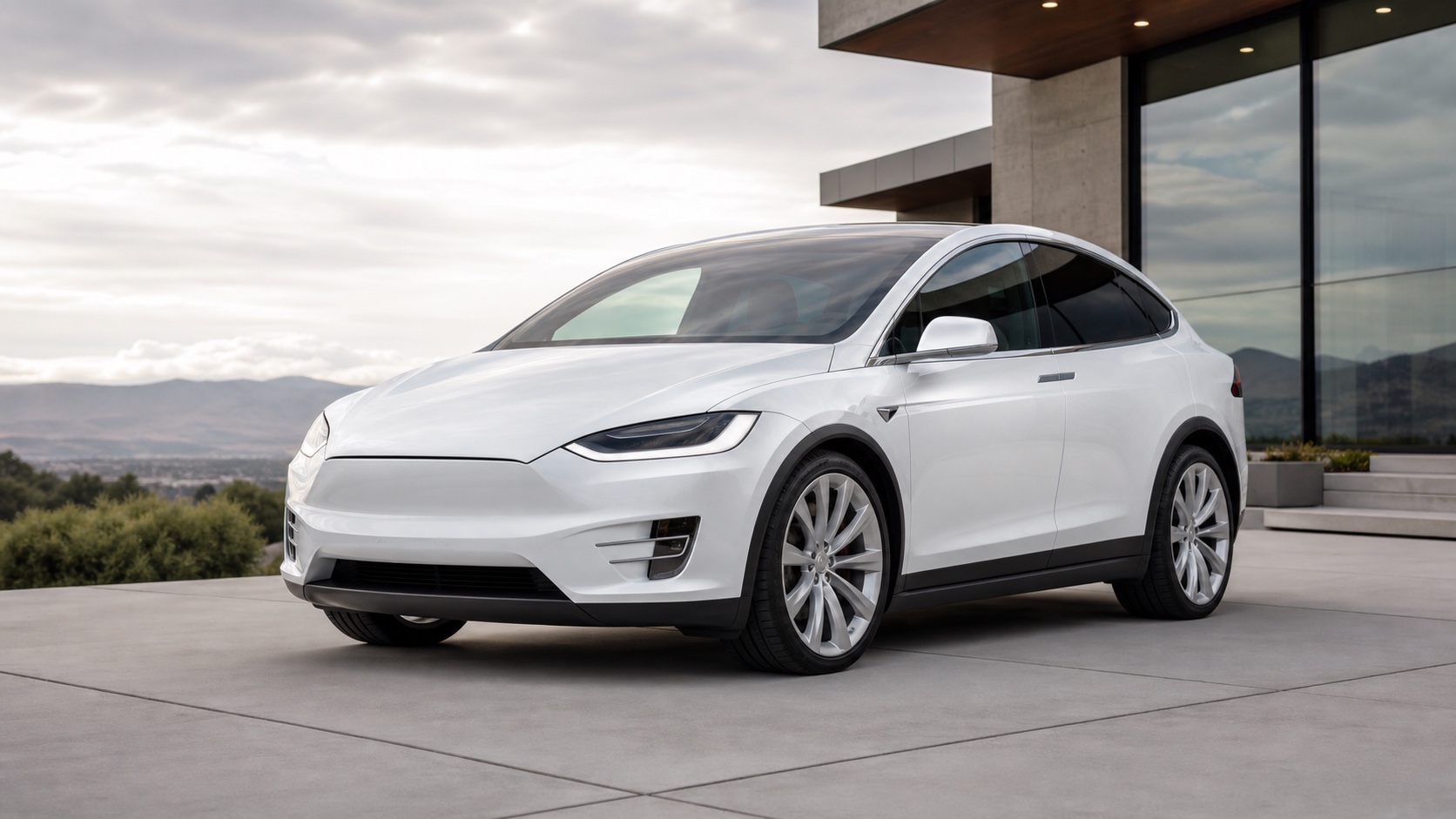
Electric luxury SUV on a city street for the Tesla Model X guide

Tesla Model X product changes over the years

Use these production eras as the simple first pass before comparing individual vehicles.

2015-2016
1

Launch generation

Model X deliveries began in late 2015 as Tesla's three-row electric SUV with falcon-wing rear doors and standard all-wheel drive.

  • Early cars used MCU1 and the original vertical-screen cabin architecture shared with Model S.
  • Launch-era trims included 90D and P90D-style battery and performance naming.
  • Autopilot 1 hardware applies to early builds before the late-2016 hardware change.
  • Seating layout, door alignment, and early-build service history are defining details of this era.
Oct 2016-2017
2

Autopilot hardware 2 and seating transition

Late 2016 brought the next Autopilot hardware generation, while 2017 changed the way many Model X second-row seats worked.

  • Autopilot hardware 2 replaced the earlier driver-assistance hardware suite.
  • Autopilot hardware 2.5 followed during 2017 as an incremental computer and camera-color update before MCU2 arrived.
  • 100D and P100D became the range and performance anchors.
  • Five- and seven-seat cars moved away from the earlier monopost middle-row design toward fold-flat bench layouts.
  • Six-seat cars retained captain-chair-style middle-row appeal.
2018-Apr 2019
3

MCU2 and FSD computer transition

Model X received the same infotainment and driver-assistance hardware transition as Model S.

  • MCU2 replaced MCU1 in new production, improving interface speed and later software feature support.
  • Autopilot hardware 2.5 was common before the FSD computer transition.
  • Tesla began the FSD computer transition in 2019.
  • The body, doors, and pre-refresh interior layout remained the same.
Apr 2019-2020
4

Raven powertrain and suspension

The Raven update improved the late pre-refresh Model X driving and range story.

  • More efficient drive-unit tuning increased range.
  • Adaptive air suspension replaced the earlier suspension setup.
  • Long Range and Performance naming became more common than older battery-number badges.
  • These remain vertical-screen, pre-2021 interior cars.
2021-2024
5

Horizontal-screen refresh and Plaid

The 2021 refresh gave Model X the same new cabin architecture as Model S and brought the Plaid version into the SUV line.

  • Main display changed to a 17-inch landscape screen with a rear passenger display.
  • Interior controls and steering moved into the yoke-first refresh layout before later steering wheel availability returned.
  • Model X Plaid added a tri-motor performance version, while the regular Model X remained dual-motor.
  • Seat count still matters: current-style Model X can be configured up to seven seats, while Plaid is published up to six.
2025-2026
6

Late flagship update and inventory era

The late Model X update kept the refreshed architecture but refined aero, cabin, suspension, lighting, and camera details.

  • Tesla's current U.S. specs list Model X and Model X Plaid with dual-motor or tri-motor powertrains, 20- or 22-inch wheels, and 5,000 lb towing.
  • The 2025 update added new wheel and aerodynamic details, quieter-cabin work, suspension refinements, adaptive headlights, ambient lighting, and a front bumper camera.
  • Early 2026 reporting says Model X custom ordering moved toward an inventory-only phase as Tesla wound down the program.

Next step

Move from Tesla Model X history to the exact VIN.

The timeline explains the product era. The decoder connects a specific vehicle to trim, drivetrain, battery, charging, hardware, wheel, paint, and option details.

Cookie preferences

We use first and third-party cookies and similar technologies to collect website usage data and improve, protect, and promote our products and services. You can choose to accept all cookies or accept only necessary cookies.